
Sustainable Habits for College Students Living on Campus
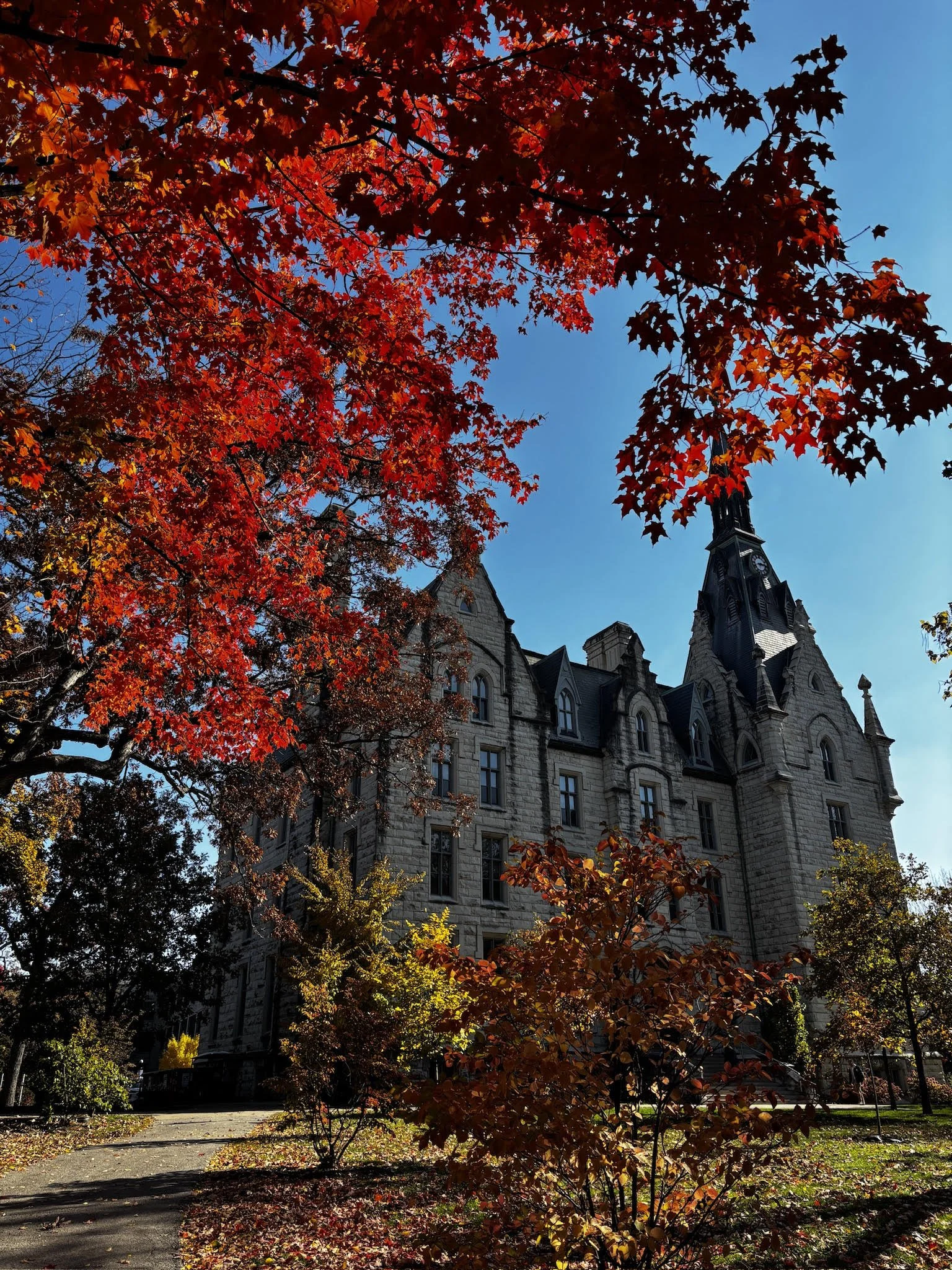
Sustainable students help our campus environment thrive.
How can students living on-campus live more sustainably despite some challenges of living a sustainable lifestyle on campus? Students at Northwestern offer some advice.
Recycling
Despite the presence of recycling bins on campus, students feel like Northwestern University does not educate them on how the university recycles and where recycling goes.
According to students such as Weinberg sophomore Alexandra Larrea, a residential assistant for Hobart House, recycling on campus can be confusing to navigate.
“There were some individuals that came to me saying, where does recycling go?” said Larrea. “I could not answer them, because I personally did not know. So I feel like I was not educated on that enough to provide them with an answer.”
According to SustainNU on Northwestern’s website, Northwestern has been doing mixed recycling since 2016. The website has resources on what specifically can and cannot be recycled at Northwestern.
In the dorms, it is important to be conscious of the amount of plastic trash bags we are using in addition to how to sort our waste.
Larrea offered tips from home on reducing trash bags. “[My mother and I] make everything flat that can be recyclable,” said Larrea. “Saving space in a singular trash can is helpful because I believe garbage bags are also not that good for the environment either. Sometimes for recycling, it's okay to not even use the [trash] bag.”
Food Habits
Students who live on campus eat at the dining halls most of the time, which makes living a sustainable lifestyle more challenging. The dining halls have a lot of options for students, making it easy to fill up a plate and not finish all of your food.
According to Weinberg junior Meadow Neubauer-Keyes, a co-chair of ASG Sustainability Committee, the structure of dining halls may make it difficult for students to eat sustainably.
“The model of having all of this food available to you, and being able to take as much as you want whenever you want, is just really unsustainable, and that's something I really grappled with throughout being on campus.” said Neubauer-Keyes.
There are multiple ways that students can confront this challenge and make their food habits better for the planet. “Try to only get as much food as you can eat at the dining halls,” said Dora Tsai, a Weinberg first-year student.
Freshman Ryan Stumacher said that students should remember to compost their leftovers.
“[Make] sure that if there is excess food that it gets composted rather than going to a landfill,” Ryan Stumacher said.
Students can utilize available compost bins on campus and reach out to the student organization Cats Who Compost for compost related resources.
In addition to reducing food waste, being aware of the types of food one is consuming is also important. Food sustainability concerns the carbon emission from livestock, sourcing of food products, and transportation.
The consumption of meat is more unsustainable compared to eating plant-based because meat production leads to deforestation, and factory farming in particular contributes to increased greenhouse emissions, harmful algae booms, soil degradation, and high usage of water, according to Sentient Media.
Neubauer-Keyes advised students to be aware of how their food is made, where it comes from, and the emissions associated with it.
“Pick that plant based option over the meat that you don't know… where it's from,” said Neubauer-Keyes.
For students who venture off-campus to eat, Neubauer-Keyes recommended that they should support small businesses.
“When you are eating off campus, try to eat locally, and supporting businesses that are local instead of chains and fast food restaurants,” said Neubauer-Keyes.
In a previous article, The Daily Northwestern compiled a list of local restaurants and grocery stores that prioritize sustainable and plant-based options:
Ovo Frito Cafe
Blind Faith Cafe
Elephant + Vine
Curt’s Cafe
Village Farmstand
Hewn Bakery
Other recommendations from students include:
Hoosier Mama Pie Company
The Lucky Platter
Reprise Roasters
Students can also support local farmers and vendors at Evanston Farmers’ Market, which is now indoor at the Ecology Center, according to the City of Evanston. Updated information can be found on their instagram, @evanstonfarmersmarket.
Reducing plastic
Avoiding using plastic can be challenging on campus, especially at Norris University Center where a meal exchange comes with a plastic water bottle.
Freshman Danielle Chan encouraged students to bring their own water bottles instead.
“I would change the meal exchanges because a lot of them come with a plastic drink which is a bit counterintuitive because most students have their own water bottle already,” said Chan said.
Neubauer-Keyes encouraged students not to take the plastic bottles even when they are offered.
Neubauer-Keyes said that there is a limited amount of reusable silverware available outside the dining halls, leaving students to rely on plastic, single-use silverwear. To counter that, she has her own reusable silverware and brings them to share with her friends.
Larrea also spoke about the prevalence of plastic options for on-campus dining.
“I think that the Ozzi boxes are great because they can be reused, but the silverware and utensils cannot,” said Larrea.
According to Larrea, it would be beneficial if each student could get a pack of reusable silverware and have soap in all of the dorms to wash it.
Other habits
There are so many different ways that students on campus can live a more sustainable lifestyle. Students at Northwestern also suggest:
Get into the practice of turning off your light when you leave your room
Thrift your clothes and buy second hands. Remember to take public transport to thrift stores. NU thrift collects donated clothes from the student body and resells them for $3 each.
Walk or bike to class.
Use public transportation instead of uber or other ride-sharing apps. Learn the CTA and train schedules.
Be involved in sustainability student organizations on campus and locally, such as NU Bike, Campus Kitchens, Wild Roots, and so much more!
Try not to throw away fine items at the end of the school year. Store, thrift, or donate them.
Compost food waste at the bins around campus.
“There's a lot of things you can do in the sense of, like, voting with your dollar when you're off campus and on campus, making your decisions with [sustainability] in mind.” Neubauer-Keyes said.
“How are we supposed to take care of the environment if we can't do the same for our communities?" she said.